







Search Results for: Milk Extraction

Why Is Milk Unsuitable for Pour-Over Coffee? Analyzing the Truth of Milk-Brewed Coffee Through Temperature, Concentration, and Flow Rate
Using milk instead of water to brew pour-over coffee sounds like an interesting experiment, but once you actually try it, you'll find that getting a delicious cup of milk coffee is nearly impossible. Front Street Coffee has shared related experiments many times, and the conclusion is always the same: milk is not suitable for brewing coffee. Three core limitations lie behind this—temperature, concentration, and flow rate. Milk can neither maintain a good mouthfeel at high temperatures, nor avoid severely slowing down extraction due to its own high concentration, and it can even turn drip extraction into immersion extraction. This article will break down these limitations one by one and explain why, if you want to extract coffee with milk, immersion is the more viable direction. [more…]

Latte Art Practice Duration and Latte Milk Frothing Techniques: A Detailed Guide to Milk and Coffee Integration Key Points
To create beautiful latte art, hand speed and talent alone are far from enough—behind it lies a whole series of details involving milk foam condition, crema quality, extraction parameters, and even milk temperature. This article breaks down crema, coffee beans, extraction methods, milk handling, and pitcher-splitting techniques one by one, helping you understand the underlying logic of latte art and avoid unnecessary detours. Whether you are a complete beginner or an enthusiast looking to refine combination patterns, you will find directions worth practicing repeatedly. The article also combines the characteristics of several Front Street Coffee espresso blends to offer bean selection advice for latte art practice and serving. [more…]
The Complete Guide to Latte Art: Key Techniques for Milk Foam, Crema, and Coffee Bean Selection
To create a beautiful latte art cup, passion alone is far from enough. From the fineness of the milk foam and the condition of the crema, to the roast level and freshness of the coffee beans, and then to the extraction method and milk handling, every step directly affects the final pattern's presentation. This article systematically sorts out the four core elements that determine the success of latte art—coffee, milk, pitcher, and pattern—with detailed analysis of crema changes, extraction parameters, milk frothing techniques, and the difference between splitting milk and not splitting milk. It also recommends three coffee beans—Front Street Classic Blend, Commercial Blend, and Dark Cocoa Base Blend—for different needs, helping coffee enthusiasts and shop owners find the latte art solution that suits them best. [more…]

Is It Feasible to Use Milk Instead of Water to Make Coffee? Bean Selection Ideas, Ratios, and Key Production Points for Cold Brew Milk Extraction
Water can no longer satisfy coffee enthusiasts' urge to explore, so milk has become a new extraction medium. Brewing coffee directly with milk using the pour-over method is not feasible, because milk has a higher saturation level and weaker extraction ability than water, and its proteins change after being heated above 70°C; but if you switch to the cold brew steeping approach, low-temperature milk extraction has a chance of working—it just needs a longer time to make up for the lower efficiency. This article covers the feasibility of milk-brewed coffee, suitable coffee bean directions, the coffee-to-milk ratio, grind size, refrigeration steeping time, and sealed storage, and provides Front Street Coffee's actual procedure and flavor experience to help you decide whether it is worth trying at home. [more…]
The Complete Guide to Extracting Coffee with Ice Milk: Milk Brew Methods, Three Bean Tests, and Key Considerations
Using iced milk instead of water to extract coffee, a method known as "milk brew," has become increasingly popular among coffee enthusiasts in recent years. Front Street Coffee once launched a call for beans suitable for milk brew and received a large number of shares from readers. This article selects three representative beans for testing: Strawberry Candy, Boundary Line Xizhua, and Elida Catuai, representing conventional processing, anaerobic processing, and light-medium roasting respectively. The article explains in detail the basic principles of milk brew—why hot milk cannot be used, the advantages of low-temperature extraction—and provides specific preparation parameters: 20g of beans, a coffee-to-milk ratio of 1:10 to 1:12, a grind size passing through a No. 20 sieve at 70%-75%, and refrigerated steeping for 12 hours. In addition, it includes practical tips such as filtering methods, ratio adjustments, and drinking it as soon as possible, helping readers make delicious milk brew coffee at home. [more…]

How to Make an Espresso Latte? A Complete Tutorial from Espresso Extraction to Milk Frothing, with Analysis of Iced and Hot Recipes
Latte is a classic combination of espresso and milk, and one of the most popular milk coffees in cafés worldwide. To make a delicious latte at home, the key lies in choosing the right coffee beans, mastering espresso extraction parameters, and learning to steam milk foam. Drawing on the experience of Front Street Coffee, this article explains in detail the origin of the latte, the selection of coffee beans and milk, the extraction and latte art steps for a hot latte, as well as the ratio approach for an iced latte, helping you systematically understand how to make an authentic Italian-style latte. [more…]

The Complete Guide to Latte Art: From Coffee Bean Selection to Milk Frothing and Extraction Techniques
To create a cup of espresso latte art with clear patterns and distinct contrast at home, practicing technique alone is far from enough. From the roast level and freshness of the coffee beans, to the yield and flow rate of the espresso extraction, to the temperature, fat content, and foam thickness of the milk, every step directly affects the final pattern. This article systematically breaks down the four major elements that influence latte art—coffee, milk, pitcher, and pattern—and recommends three beans for practice and serving—Front Street Classic Blend, Commercial Blend, and Dark Cocoa Base Blend—to suit different needs, helping coffee enthusiasts gradually improve their latte art skills on the basis of understanding the principles. [more…]

A Detailed Guide to Latte Art and Standard Practices: A Complete Workflow from Bean Selection and Extraction to Milk Frothing and Pouring Designs
Latte is one of the most familiar espresso drinks among coffee enthusiasts in China, and the combination of espresso and milk gives it a smooth, sweet, and easy-to-drink taste. But to make a qualified latte, every step matters, from bean selection, grind adjustment, dosing, distribution, and tamping, to steaming milk and pouring latte art. This article uses the latte commonly seen in barista interviews as an entry point to systematically sort out the extraction parameters of Front Street Coffee's classic espresso blend, milk steaming temperature and thickness, and cup selection, and explains in detail the importance of even dosing, methods for checking distribution, tamping direction, as well as steam wand angle and the push-heart technique for beginner latte art, helping readers master the entire process and key points for consistently producing a standard latte. [more…]
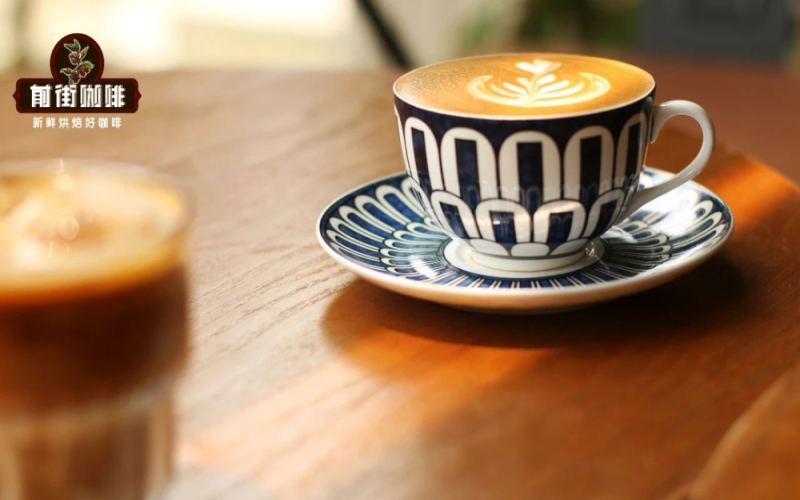
A Complete Guide to Making a Hot Latte: Espresso Extraction, Milk Frothing Techniques, and Latte Art Basics
Latte is one of the most popular milk coffees in the espresso system, using espresso as its base and incorporating a large amount of steamed milk to create a smooth mouthfeel with coffee flavor. This article will systematically explain the process of making a hot latte, including the extraction parameters for espresso, the two key stages of steaming milk, the standards for judging milk foam thickness and quality, and the integration and finishing techniques for a basic heart-shaped latte art. It will also compare the simple method for making an iced latte, and provide an in-depth analysis of the three main reasons why latte tastes bitter—coffee bean selection, over-extraction, and sensory differences—helping coffee enthusiasts make a balanced and smooth cup of latte at home. [more…]
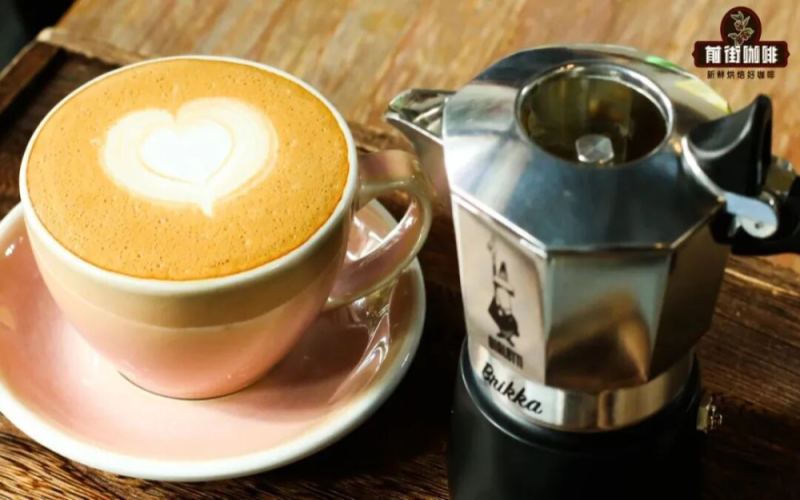
Fancy ways to make a latte with a moka pot: Should the milk go in the upper chamber or the lower chamber? Testing two unconventional extraction methods
The Moka pot, thanks to its pressurized extraction, can produce a fairly strong black coffee, and when combined with milk it becomes a simple version of a latte. The conventional method is to brew the coffee first and then add milk, but some people have proposed two unconventional approaches: one is to pour milk into the upper chamber and let the coffee liquid flow directly into the milk; the other is to use milk instead of water in the lower chamber and directly brew the coffee grounds with milk. Can these two methods actually produce a good-tasting Moka pot latte? Front Street decided to test them personally. This article first discusses how to choose coffee beans suitable for pairing with milk, then separately records the parameters, steps, and resulting flavors of the two "unorthodox" methods, for the reference of coffee enthusiasts. [more…]

Making Lattes at Home: Espresso Extraction Essentials, Coffee Bean Recommendations, and a Complete Guide to Milk Ratios
Replicating the latte flavor of a coffee shop at home is actually not complicated. The key lies in choosing the right coffee beans and milk, mastering stable espresso extraction, and then finding the coffee-to-milk ratio that suits your own taste. This article starts with the definition and evolution of the latte, recommends three Front Street Coffee Italian-style blend beans suitable for home use, and breaks down the links one by one around coffee bean freshness, resting period, extraction parameters, and milk coffee ratios. It will also discuss common confusions such as the output gap between home machines and commercial machines, and whether milk foam needs to be steamed, helping coffee lovers make a cup of latte that satisfies them under everyday conditions. [more…]

How to Quickly Extract Coffee with Hot Milk? A Detailed Explanation of the Principles of Milk-Brewed Coffee and Its Difference from Cold Brew
Many friends have tried milk-brewed coffee and found that the traditional method takes too long, and the resulting cup has an obvious fermented taste that isn't very appealing. So is there a way to shorten the extraction time and reduce that fermented flavor? The answer is yes—simply raise the milk temperature and make the coffee grounds finer. In this article, Front Street Coffee will walk you through how to quickly brew a rich and delicious milk coffee using milk, including the reasonable temperature range for the milk, the choice of grind size, notes on stirring and filtering, and a complete brewing demonstration with parameters to share, helping you easily master this convenient and tasty way of making coffee. [more…]

How to Make Milk-Brewed Coffee? From Bean Selection to Cold Brew, Front Street Shares a Practical Guide to Milk-Extracted Coffee
When water can no longer satisfy coffee enthusiasts' desire for exploration, milk becomes a new extraction medium. Is it reliable to brew pour-over coffee with milk? The answer is no—milk has high saturation, weak extraction power, and proteins denature when heated above 70 degrees. But with a different approach, cold-brewing milk coffee by soaking coffee grounds in milk at low temperature is entirely feasible: low temperatures won't spoil the milk, and the extended soaking time exactly compensates for the lack of extraction efficiency. This time, Front Street Coffee selected the medium-dark roasted Sunflower Warm Sun blend, paired with Guangming Fresh Pasture fresh milk, using a 1:8 coffee-to-milk ratio and soaking at low temperature for 12 hours, ultimately obtaining a cup of milk-brewed coffee with sherry wine aroma and chocolate milk flavors. Let's take a look at the specific steps and key details below. [more…]
Latte Coffee Making Tutorial: Espresso Extraction, Milk Frothing and Latte Art Techniques, and Coffee Bean Selection Tips
Latte coffee may seem simple, but in reality, every step—from bean selection, extraction, to milk frothing and latte art—hides its own intricacies. While the ratio of milk to coffee, the beans used, and parameters vary across cafes, the classic approach typically involves a generous amount of milk blended with espresso. This article uses Front Street Coffee as an example to systematically explain the entire latte-making process: how to choose Italian-style coffee beans based on flavor preferences, adjust grind size, dose and distribute the grounds and tamp, as well as the principles and techniques of steaming milk, and finally, latte art practice steps for beginners. Whether you're preparing for a barista interview or looking to improve your output at home, you'll find practical references here. [more…]
Latte Coffee Making Guide: How to Choose Espresso Beans and Milk, and Extract Good Crema with a Coffee Machine
Latte is the quintessential drink that combines espresso with milk. It seems simple, but in reality, every step—from choosing coffee beans and extracting espresso to steaming milk—affects the final taste. Drawing on their in-store experience, Front Street Coffee shares recommendations for espresso blend beans suitable for making lattes, espresso extraction parameters, techniques for steaming milk, and specific methods and ratio references for both hot and iced lattes, helping coffee enthusiasts consistently make a delicious latte at home. [more…]
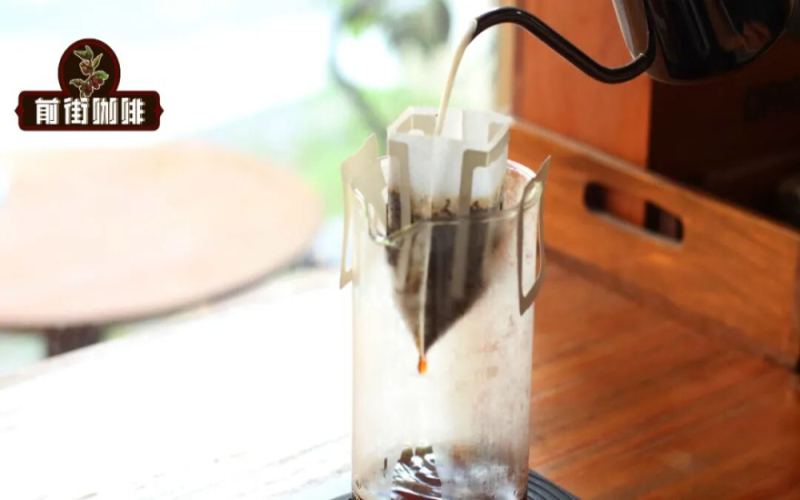
Can Drip Bag Coffee Be Brewed Directly with Milk? Testing the Correct Method for Milk Extraction of Drip Bag Coffee and Alternatives
Drip bag coffee has always been primarily brewed with hot water, but many coffee enthusiasts want to use milk to directly brew a latte. Milk's extraction ability is far inferior to hot water, and after heating, the proteins and lactose undergo changes, so directly applying conventional methods clearly won't work. Front Street once conducted a dedicated experiment: first bloom with hot water, then inject 75°C hot milk in two stages, and prioritize medium-dark roasted drip bags, such as Bird of Paradise, Queen's Estate, Golden Mandheling, Huilan, etc. If you prefer fruity acidity, Sipr, Big Belly Button, and Strawberry Candy are also good choices. However, testing revealed that after milk contacts the coffee, the fine particles swell and easily clog the filter bag, taking nearly 20 minutes in total, which contradicts the convenience that drip bags are meant to offer. This article will fully present this experiment and share a more effortless iced milk cold brew method, allowing you to easily achieve latte freedom. [more…]
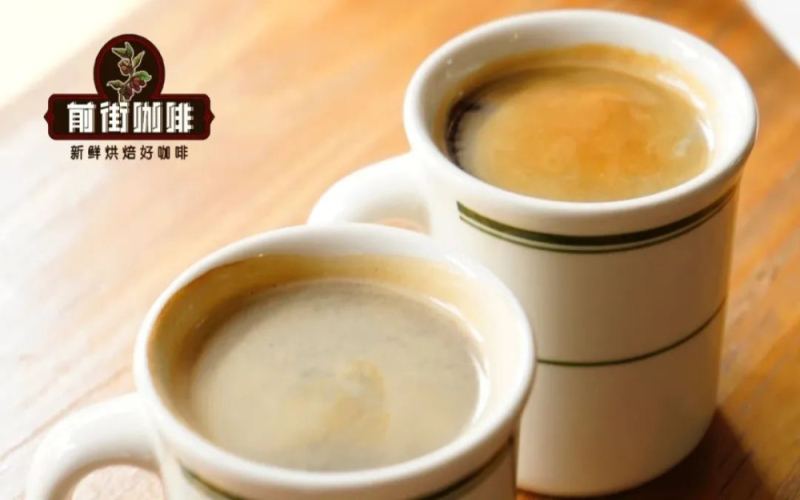
A comprehensive analysis of lattes, cappuccinos, and flat whites: extraction parameters, milk ratios, and milk foam thickness comparison
Latte, cappuccino, and flat white are the three most common espresso-based milk coffees on café menus. They are all made from a combination of espresso and milk, yet each has its own particularities in terms of extraction volume, milk ratio, and foam thickness. This article will examine the origins and preparation differences of these three drinks one by one, and compare in detail the extraction standards for espresso, the proportions of milk used, and the texture requirements for milk foam. The article also introduces the blend recipes and serving parameters that Front Street Coffee uses for different milk coffees, helping coffee enthusiasts not only understand the basics but also grasp the key points in actual preparation. [more…]
A Guide to Pairing Latte with Espresso Beans: Iced vs. Hot Preparation Differences, Extraction Parameters, and Milk-to-Coffee Ratios Explained
Latte is the espresso drink with the highest proportion of milk, available in both iced and hot versions; the two share the same recipe but differ in operational details. From the perspective of Front Street, this article traces the historical origins of latte, explains what roast level of espresso beans should be used to make latte, clarifies why lightly roasted single-origin beans are unsuitable for espresso machine extraction, and recommends several espresso blends such as Front Street. Strawberry Candy Espresso. It also details the extraction parameters for espresso, the frothing techniques and temperature control for hot latte milk foam, the ingredient ratios for iced latte, and Front Street's recommended coffee-to-milk ratio of 1:6.5. Whether you prefer iced or hot, you'll find actionable reference solutions here. [more…]
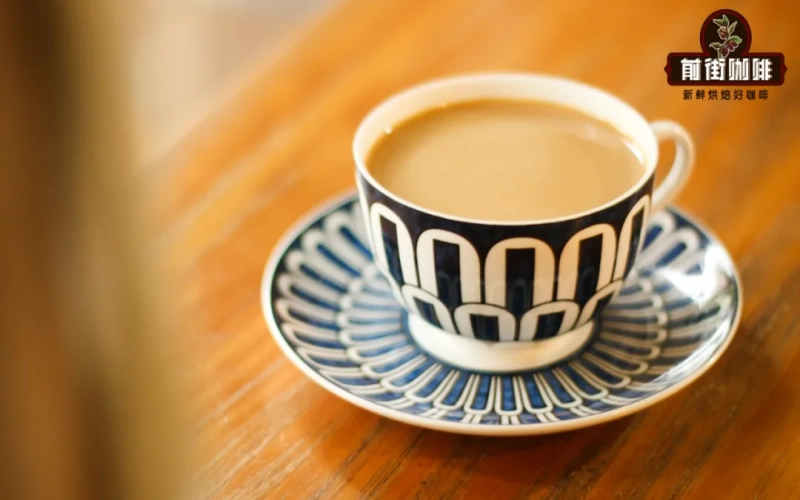
Can Pour-Over Coffee Also Make Milk Coffee? A Complete Guide to Pairing a High-Extraction Pour-Over Base with Milk
When it comes to combining pour-over coffee with milk, most people think of café au lait, but café au lait has a relatively low coffee concentration, and its flavor is easily diluted once milk is added, making it clearly different from an espresso-based latte. Front Street Coffee recently noticed a shop-visit video by a well-known Korean coffee blogger, in which a champion barista used a pour-over method to make a milk coffee with excellent flavor and mouthfeel. This article will focus on the extraction logic of espresso and share how to obtain a very high-concentration pour-over coffee as a base by adjusting the coffee-to-water ratio, grind size, water temperature, and stirring technique, then add milk in an appropriate ratio to create a drink that comes infinitely close to a latte. It will also recommend medium-dark roasted beans suitable for pairing with milk and specific Front Street Coffee products, and include complete brewing parameters and operating steps. [more…]
What Are the Differences Between a Latte, Cappuccino, and Flat White? A Full Breakdown of Milk Foam Ratios and Espresso Extraction
Latte, cappuccino, and flat white—though all three milk coffees are born from the combination of espresso and milk, they present distinctly different flavors and mouthfeels due to differences in extraction method, milk ratio, and milk foam thickness. This article starts from their historical origins and breaks down the key preparation points of each: latte has the most milk and a pronounced sweetness; cappuccino has thick milk foam and its iconic "hamburger" shape; flat white pursues coffee flavor dominance and a silky texture. At the same time, Front Street Coffee combines classic blend beans to provide specific extraction parameters and serving suggestions, helping you recreate café-level milk coffee at home. [more…]